Marc CampfordHistorical fiction

Renaissance Italy, told through the people who kept the accounts.

Cover of The Florentine, Book I, by Marc Campford

The Florentine

Florence, 1478: a scholar who asks too many questions and a merchant who never stays.

Book I of III · A slow-burn m/m historical romance · 286 pages

From the book

The Genoese had brought two swords. One he wore; the other lay across his servant’s arms, wrapped in a length of faded wool. Tommaso could think of several reasons for bringing a sword to settle an overdue account. None required a second man to carry it.

The merchant stood by the window, turning Federigo’s Roman bronze towards the light. His thumb covered the little horse’s head. He wore good blue cloth, pulled tight across the shoulders, and had the weathered face of a man who could afford to remain indoors but seldom did. When he raised the bronze, his cuff slipped back: the skin beneath it was several shades lighter than his hand. Tommaso waited for him to put the little horse down.

— We have been waiting — Federigo said.
— I was copying a passage in the library at San Marco.
— So I was told. Put your notes down, Tommaso.

— My eldest son, Tommaso. Cristoforo Squalo, of Genoa.
The merchant put down the bronze, supporting its base as he did so.
— Messere Tommaso.
— Messere Cristoforo.
Squalo. Shark. Tommaso glanced at the sword, then back at its owner.
— My father was called that too — said the Genoese.

The Florentine, Chapter I · Keep reading on Amazon

I

The Florentine

Florence, MCDLXXVIII
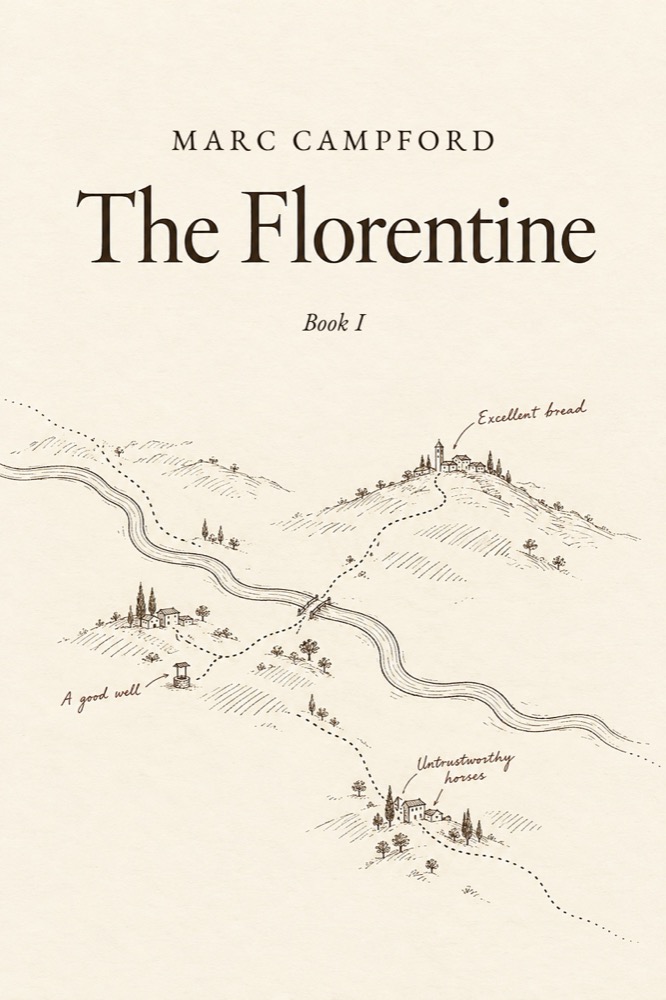
Cover of The Florentine, Book I, by Marc Campford

The Pazzi conspiracy

Book I of III · Out now

Florence, 1478. Tommaso Uccelli would rather be copying Greek at San Marco than settling his father’s overdue accounts. Then the Genoese merchant who has come to collect one turns out to have brought two swords, a printed leaf from the far side of the world, and a great deal of patience for a scholar who asks too many questions.

Cristoforo Squalo of Genoa has been nearly everywhere and stayed almost nowhere. He did not intend to stay in Florence either.

Between a fraud in the family’s ledgers, a city where the Night Officers keep a box for anonymous accusations, and the April Sunday when the Pazzi draw their knives in the cathedral, they will have to decide what they are willing to risk, and whether a man who always leaves can learn to stay.

Formats
Kindle, Paperback
Paperback
6 × 9 in, 286 pages
II

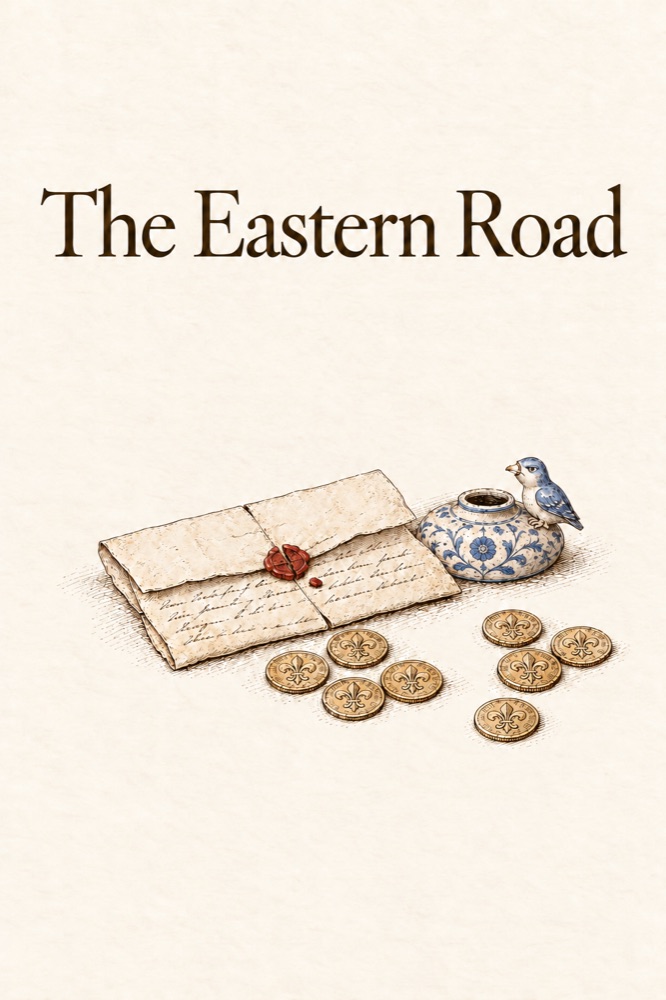
The Eastern Road

Constantinople · Florence, MCDLXXX

Cover of The Eastern Road, The Florentine Book II, by Marc Campford

Across the Golden Horn

The Florentine, Book II

Coming soon

The road runs east from Florence to Galata, the merchants’ quarter across the Golden Horn from Constantinople, while the house left behind in Florence learns to keep its own accounts.

Get notified
III

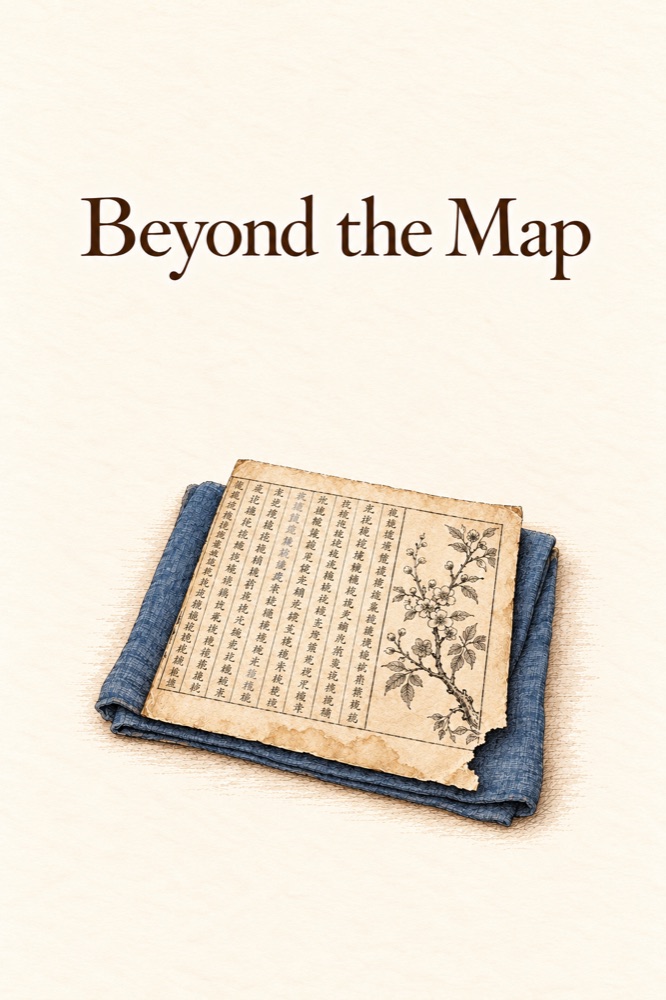
Beyond the Map

Road to Cathay, MCDLXXXIII–MCDLXXXV

Cover of Beyond the Map, The Florentine Book III, by Marc Campford

The Florentine, Book III

In progress

Two strands, two years: a road that runs towards Cathay, a house in Florence learning to stand on its own, and letters that always arrive months too late.

Get notified

Another century, another city

Standalone novel

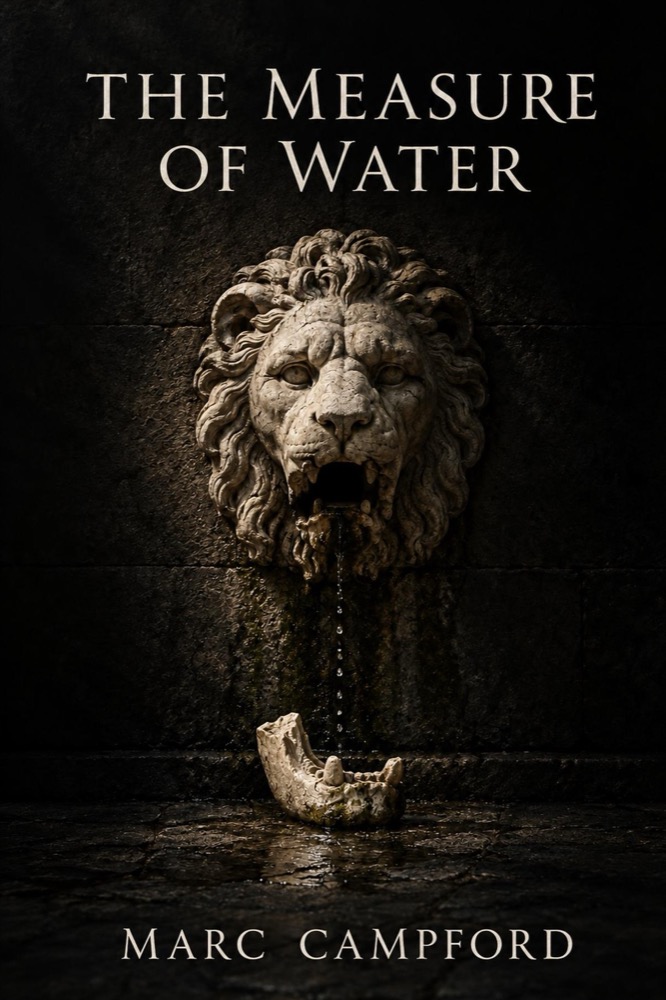
The Measure of Water

Rome, MDCXXXIII

Cover of The Measure of Water by Marc Campford: a stone lion fountain above a fallen jawbone

A historical novel of faith, forgery and the cost of staying.

While Rome waits for Galileo’s sentence, a cardinal finds a bill he has already paid, and an adjustment nobody can explain.

Cardinal Giulio Corvino is a careful man with a broken lion fountain and a bill already settled. The adjustment is certified by the old foundation of Saint Aurelius, whose grants have drawn on the city’s water for longer than anyone can remember.

Format
Paperback
Size
6 × 9 in, 243 pages
Read more

The merchant Niccolò Verdesca has an eye for accounts, little patience for ceremony and a way of standing far too close while he reads them. Together they follow the payments through archives, aqueducts and a sculptor’s studio to a martyr assembled from other men’s lives, and to people who would prefer the saint left as he is.

The question takes them east to Constantinople and back, and it changes what each of them is willing to risk.

Every ledger hides a story. Every story hides a person who would rather leave, and finds a reason to stay.

About the author

Marc Campford

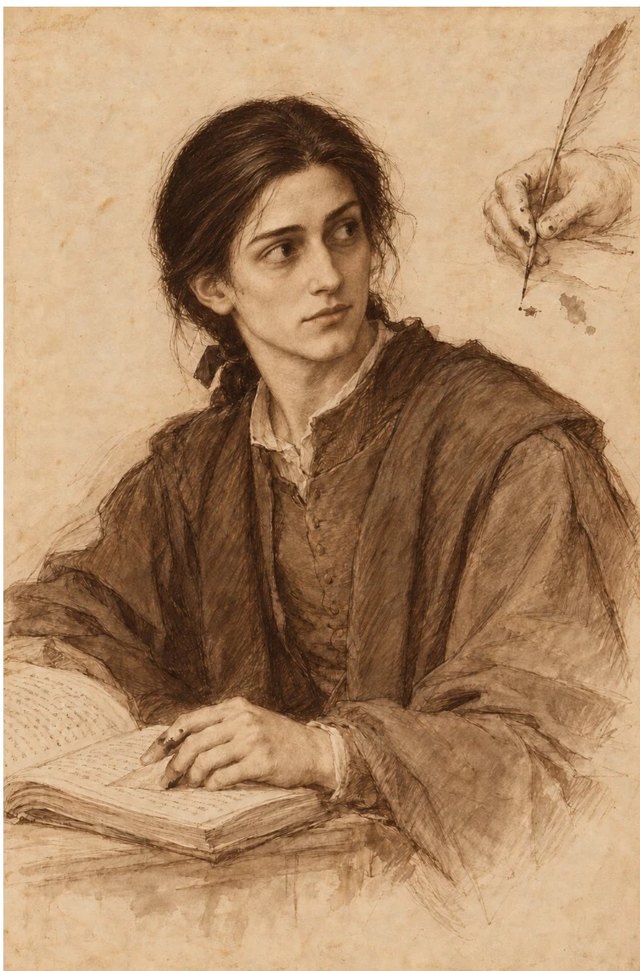
Marc Campford, a sepia ink drawing: a young man with long dark hair tied back, his hand resting on an open book

Marc Campford writes at a kitchen table beside a north-facing window, with a pot of coffee that always goes cold and a shelf of reference books whose spines have long since lost their titles. He drafts in longhand, types the pages up the next morning, and reads every chapter aloud at least once to hear where a sentence trips.

His love of the Renaissance began with account books rather than paintings. He once came across a merchant’s ledger in translation: wine, wool, candles, a loan repaid late, a debt quietly left alone. He noticed how much of a life shows in what a person paid for, and what they did not. Since then he reads household accounts, letters, guild rules and old city regulations the way other people read novels, hunting for the small human detail that never made the chronicles.

Between books he walks a great deal, keeps a notebook of street names and the price of bread, cooks from translated recipes (with mixed results) and works through Italian one slow lesson at a time. He is fond of rainy afternoons, good paper and long dinners, and he is already turning over the next story.

Updates

Hear about the next book first.

One short email when a new book is out. No other mail.